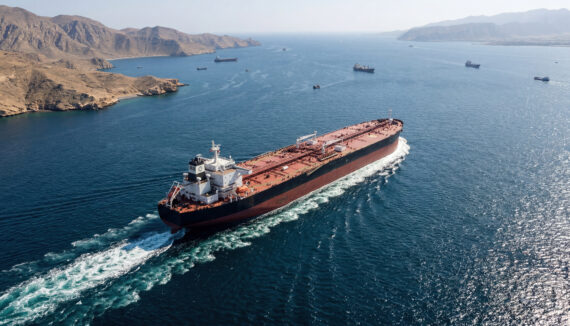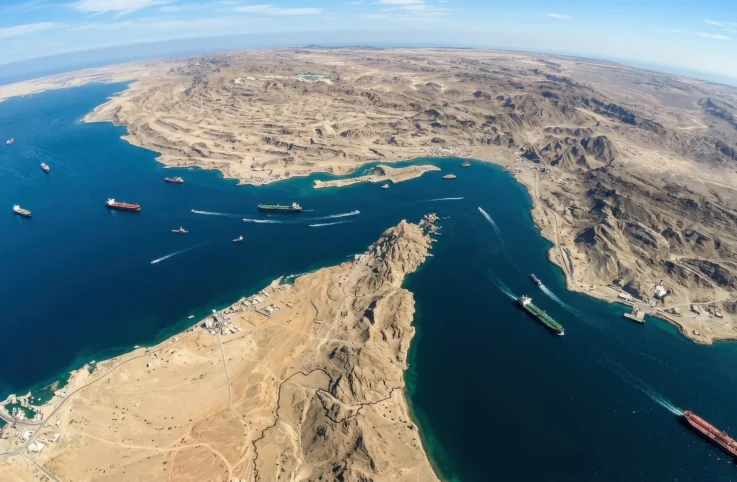

The Strait of Hormuz has been de-facto closed for six months and there are few signs of any upcoming solution to the conflict. What will the implications be if energy flows continue to be disrupted for the remainder of 2026?
While geopolitics in the Middle East are rife with uncertainty and the situation could change overnight, if the Strait of Hormuz remains closed through the end of the year, we are likely to see tighter oil supplies and higher bunker fuel prices. How severe the impact could be, however, is contingent on how much longer the conflict lasts.
The State of the Oil Market
Based on 2025 data, the Middle East conflict threatens c.25% of global oil flows and c.20% of LNG flows. The actual disruption, however, has been far more contained due to a boost in supply from other regions, in addition to some continued activity through the strait.
According to customs trade data, global oil flows are only down c.7%, while LNG trade is down c.4% in the first half of the year. Even so, energy inventories are drawing down significantly as a result.
According to the International Energy Agency, total global observed inventories for oil have declined c.2.7 mbpd (5%) from their peak in February to below 7.9 billion barrels, the lowest level since April 2025. Oil on-land storage has declined for five consecutive months, bringing it back to March 2025 levels.
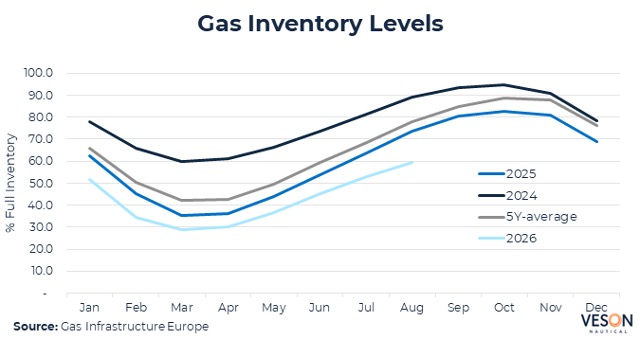
European gas inventories have seen an even bigger effect. The region is filling its inventories for the winter heating season, but is already lagging 19% compared to 2025 levels and 25% compared to the five-year average.
What Happens to Oil Prices if the Strait Stays Closed?
The implication if the Strait does not reopen is that inventories for oil will continue to decline and European gas inventories will struggle to rise to normal levels ahead of winter, leading to even higher energy prices. European TTF has more than doubled in price since the conflict started, but is far from prices seen in 2022 amid the war in Ukraine. Higher gas prices in Europe are inevitable this winter. The question is how high they could rise.
For LNG shipping, high gas prices are usually not positive, but the situation is a bit different this time since the volumes are trapped inside the Persian Gulf. The LNG market is already oversupplied with vessels, dragging down earnings. If volumes continue to drop, we expect to see earnings continue to decline in coming months. For Asia, if prices soar, countries will likely shift to coal and reduce gas consumption, which in turn hurts LNG earnings.
Oil inventories will continue to decline if the conflict persists, and oil prices will likely tick upwards. With an oil price at +100 USD/bbl, costs for food and other goods will rise, leading to higher inflation and thus interest rate hikes, bringing more noticeable consumer impacts. The worst-case scenario could be a global recession because of the energy crisis.
What About Bunker Fuel Costs?
Bunker fuel costs will follow oil prices. VLSFO currently trades at c.840 USD/mt in Singapore, up sharply from pre-war levels below USD 500/mt.
Part of the risk is not just the oil price itself. A meaningful share of Singapore’s fuel oil supply originates from the Persian Gulf, leaving the region’s bunker complex structurally exposed on the supply side as well.
The effect is compounded by rerouting. Vessels diverting from Ras Tanura or Panama to the Cape of Good Hope burn considerably more bunker fuel per voyage given the added distance, so higher prices per tonne and higher consumption per voyage work together rather than separately. That’s likely why the oil price is up only 54% YTD while Singapore VLSFO is up 98%, a spread that could increase further if the conflict persists.
If the Strait of Hormuz remains closed through the end of the year, the winter is likely to be defined by tighter inventories, higher energy prices, and rising costs across the shipping value chain. The mitigating forces we’ve seen so far, including alternative supply growth and demand destruction, may cushion the blow, but are unlikely to fully offset the impact it if the disruption drags on.
The scale of that gap, and how high prices ultimately go, will depend on how much longer the Strait stays closed.