
This is a developing story. Last updated March 3, 2026
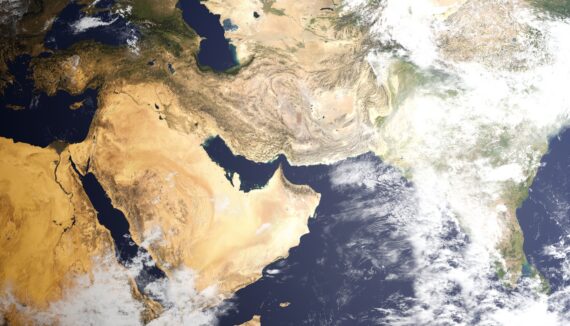
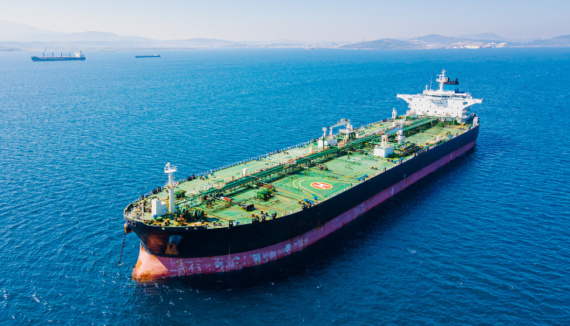
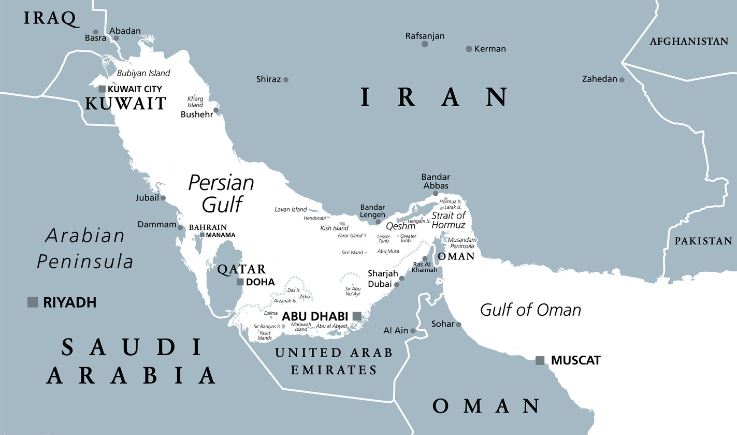
There is no way around the Strait of Hormuz. With the geopolitical situation in the Middle East, the Tanker markets face unprecedented challenges — not to forget the challenges to global energy markets should this last. 20-25% of global seaborne crude and oil product exports are dependent on safe passage through the Strait, which currently is de facto closed. Safeguarding crews and assets is the priority of shipowners who now find their vessels shut-in as tensions show no signs of cooling.
In the period leading up to the attack by Israel and the US on Iran, we witnessed increased activity for the transportation of oil. The largest importers, China and India, increased import volumes from the Middle East as an early indication for expectations of a geopolitical crisis, which is now evident in a hard disruption to trade flows. Tanker rates, especially for the VLCC’s, were already firming to levels rarely seen through history, and quotes for the benchmark MEG-China have doubled to north of 400,000 USD/day since the attacks. Of course, these levels may turn out to be more theoretical than actuality as no serious shipowner would instruct its vessels and crew to navigate through the strait at the current time.
Nobody can say how long the situation will last, but a result will be increased demand for oil and oil products outside of the Gulf of Oman as an attempt to cover for the shut-in volumes. No one is placed to do so in full, but increased oil flows from the Americas, North Sea, and Africa is to be expected. That means that vessels outside of the Persian Gulf will be facing high demand in the short-term, and Tanker rates originating in the Atlantic will continue to strengthen.
A long-drawn conflict on the other hand would see a 20-25% reduction in global seaborne trade volumes with detrimental consequences for Tanker utilization and trade, even with c.5% of the VLCC capacity idling inside the Strait of Hormuz.
While short-term rate spikes may appear supportive for owners positioned outside the region, the broader structural impact of a prolonged disruption would ultimately weigh on global trade flows and fleet utilization. In that scenario, what initially looks like an earnings windfall for parts of the fleet could translate into longer-term instability for Tanker markets as a whole.