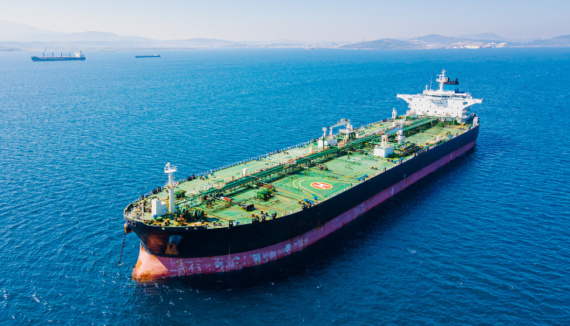

In 2008, shipping entered unparalleled territory as soaring Chinese demand drove a newbuild demand spike. VLCC valuations skyrocketed to levels never seen before. Yet amid all the volatility, there was no reliable, unbiased data to guide decision-making. The market was flooded with speculation, theoretical projections, and optimistic estimates, but little ground truth. In that environment, decisions worth tens of millions of dollars were being made on instinct, rumour, and wishful thinking.
It was precisely this gap between how the market seemed and what was actually happening that led to the founding of VesselsValue, now part of Veson Nautical.
Nearly two decades later, we find ourselves at a strikingly similar inflection point, spurred by market shifts amid the conflict in the Middle East. This, on top of years of rising demand thanks to the COVID-19 pandemic and Russia’s invasion of Ukraine, has pushed valuations to historic peaks.
This time around, we have something we did not back then: access to unbiased, data-driven algorithmic intelligence. At Veson, this comes in the form of validated, proprietary data that is updated daily across our database of 76,000 vessel valuations. These daily valuations are consistently back-tested against actual sales prices across the major shipping segments, ensuring our clients always have data they can trust. And as one of the first providers of this data in maritime, we’ve spent years refining our algorithms.
Technology is only as good as the data and algorithms behind it. The question is: Are we using this data well?
Valuations built on validated data, not wishful thinking
Following conflict escalations in Iran and the Strait of Hormuz, media coverage has been awash with headlines of VLCC fixture rates of $700,000 per day — figures that sound extraordinary but rarely materialize in actual transactions. These calculations are largely theoretical maximums, not market reality. When you account for vessel repositioning, straddle costs, insurance, and loading requirements, the deals simply don’t close at these headline rates.
Broker valuations for resale VLCC’s today range from USD $175 – $185 million with their models or opinions anchored to these inflated figures. Shipowners know better. I recently spoke with an owner who, when told his resale VLCC was worth $185 million, responded with a joke: “If you can get me that price, you can marry my daughter.” He understood what too many in the market ignore — these estimates are not attached to an achievable market price.
VesselsValue values a resale VLCC today at USD $168 million, with a newbuild estimated at USD $136 million. These, I argue, are conservative estimates versus our peers, with a modest premium registered for a resale with prompt delivery, compared to a newbuild slated for delivery in three years.
What’s critical is that our valuations are built on measurable transactional data, not wishful thinking. The $20 million gap between VesselsValue valuations and competitors’ estimates represents the cost of ignoring ground truth and reminds me of a time gone by.
Over-financing is a real danger and leads inflated asset prices beyond what the fundamentals justify. When leverage is cheap, investors are incentivised to reach for yield. The feedback loop is seductive: rising prices validate the borrowing and encourage more of it, until the cycle breaks — violently.
This is where unbiased, algorithm-driven data again becomes vital. When markets are turbulent, everyone wants to believe the optimistic narrative. Owners, brokers, and investors all have incentives to anchor on the highest credible estimate. But clients don’t need optimism, they need accuracy. They need to know what vessels are actually worth, not what we hope they’re worth.
The difference between 2009 and today isn’t that volatility has disappeared. It’s that we now have tools to cut through the noise and see market reality clearly.
In volatile markets, the truth isn’t always comfortable. But it’s always valuable.
Each month, we publish how our valuations performed across 1-year and 5-year periods, so you can track how they hold up across every market cycle. Download the VesselsValue Market Value Accuracy Report to stay up to date on the latest market shifts.